Summer vs. Winter Utility Kilts: What to Wear and When
Kilts have some built-in qualities setting them apart from clothing in other countries. In Scotland, they are primarily known for comfort and freedom of movement, but those who need practicality with these features consider utility kilts as their first choice. They have some surprising features making them suitable for everyday use, outdoor activities, and work environments.
But can we wear the same utility kilt in both weathers? If yes, then how to do it? What factors make them suitable for all seasons? This discussion is meant to answer questions like these and more. So, let’s accompany us on the journey of summer vs. winter utility kilts to explore the answers.
Table of Contents
ToggleUnderstanding Seasonal Needs for Utility Kilts

Whenever you have to buy a utility kilt, you must know the impact of seasonal changes on your kilt and comfort. Many things, including temperature, humidity, wind, and moisture, highly impact the performance of your kilt throughout the day. A single kilt is not suitable for all seasons; the one that performs well in summer may not offer the required comfort in winter.
Why? Your body needs an airflow in summers, and the lightweightness of the cotton fabric that is used to make utility kilts helps you to stay cool. On the other hand, insulation and wind protection are the important needs in colder months. So, we can say that understanding this criterion allows you to choose a utility kilt that truly fits your needs.
Summer Utility Kilts: Lightweight and Breathable
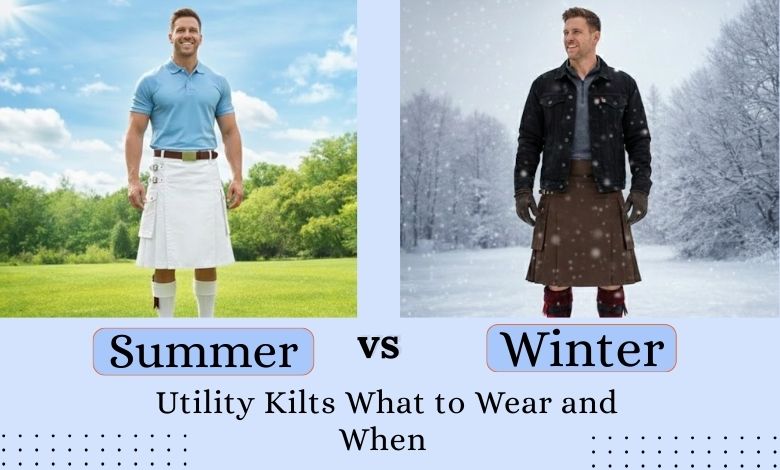
A positive aspect of utility kilts is their versatility, as they fit both weathers. So, we’ll talk about their impact in summer and winter respectively. Summer utility kilts help you to stay comfortable without having compromised functionality. Therefore, heavy materials can be heavier in summers and may result in discomfort.
Best Fabrics for Summer Utility Kilts
The first thing that makes utility kilts fit for summer is the selection of fabric, as it is extremely crucial for comfort. The ideal way is to go with lightweight cotton because it allows enhanced breathability that is a basic winter, hot weather requirement and is gentle to the skin. Moreover, cotton-blend fabrics are also popular choices to lower the weight and propose durability.
Ideal Features for Hot Weather Utility Kilts
A utility kilt is only considered a true practical kilt if you have attached enough storage sections and get the best comfort level. That’s why, along with practical features, your kilt should feel light and flexible. A relaxed fit not only helps in improved airflow, but also fewer layers help prevent heat buildup. Adjustable waist straps allow better comfort as temperatures change throughout the day.
Using lightweight fabric not only makes utility kilts lighter, but similar hardware, including smaller buckles and snaps, also reduces their weight, promoting breathability. Likewise, you cannot underestimate the importance of pockets, as shallow or streamlined ones keep the kilt practical without feeling bulky in hot weather.
Styling Tips for Summer Utility Kilts

Wearing a utility kilt with practical features is not enough to make utility kilts summer-friendly, but you should know how to style them. Styling them is a bit different from traditional kilts, so follow the below-given tips to make them truly suitable for you.
Lightweight shirts and t-shirts: Undoubtedly, kilts are important to stay comfortable in summer, but you must also focus on their pairs, especially shirts. Prefer cotton t-shirts, short-sleeve shirts, and breathable polos because they are highly suitable for summer.
Minimal accessories: Do not over-accessorize your kilt and keep accessories simple. Utility kilts work perfectly fine with a light belt or small sporran.
Breathable footwear options: Suitable footwear selection is also important, and lightweight boots, sneakers, or breathable shoes work best. Proper airflow in footwear helps maintain comfort during long summer days.
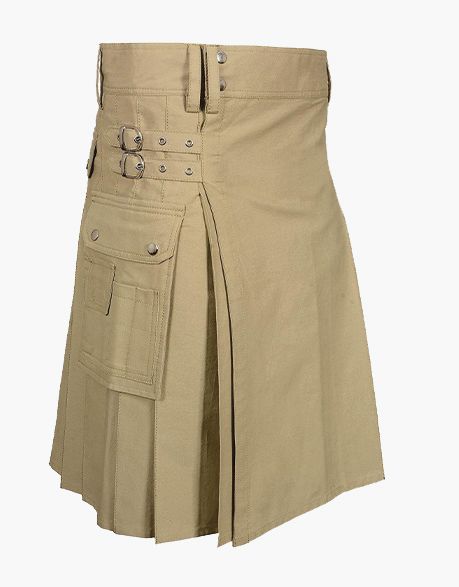
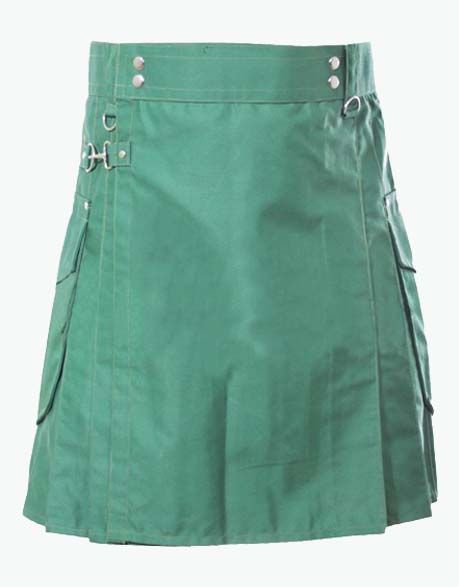
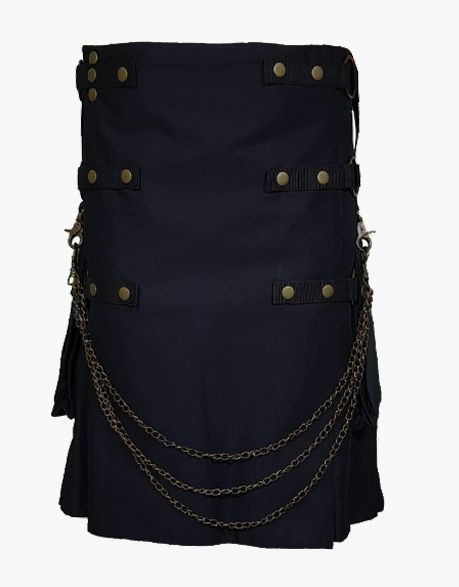
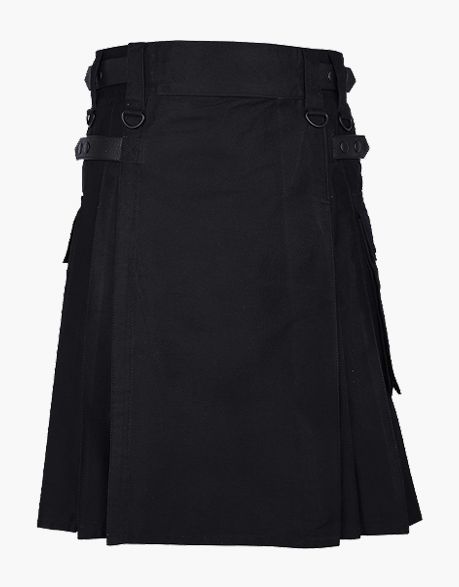
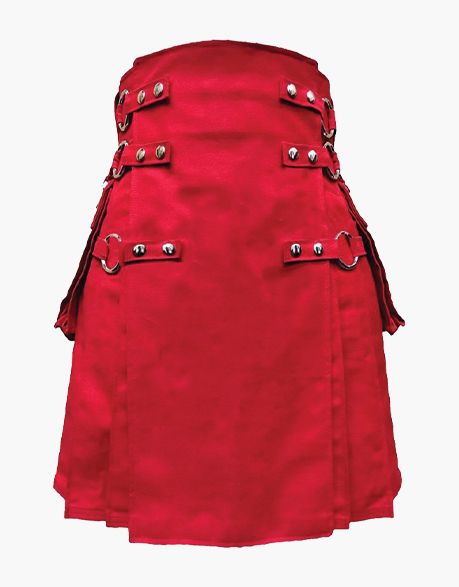
Best Summer Kilts
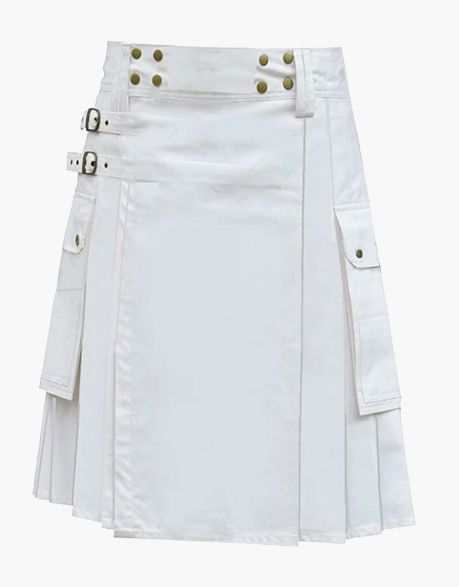
Winter Utility Kilts: Warmth and Durability
Summer utility kilts are not suitable for winter, as cooler utility kilts handle the cold temperatures, wind, and harsh conditions. Along with the right features of the kilt, you should opt for the right fabric and layering, as utility kilts are comfortable even during winter months.
Best Fabrics for Winter Utility Kilts
Heavier cotton, canvas, and wool-blend fabrics are ideal for winter utility kilts. These materials provide insulation and help block cold air. Thicker fabrics also maintain their shape better in windy conditions.
Some winter utility kilts include lined interiors or reinforced panels, which add warmth without limiting movement.
Features That Add Warmth and Protection
Winter utility kilts often feature deeper pleats, stronger stitching, and reinforced waistbands. These features help retain warmth and improve durability.
Larger pockets and sturdy closures also add convenience, especially when wearing gloves or carrying winter essentials.
Best Occasions to Wear Utility Kilts in Winter
Winter utility kilts are suitable for cold-weather festivals, outdoor work, travel, and casual winter outings. Many people wear them for construction work, workshops, and outdoor tasks where strength and protection matter. They can also be styled for winter gatherings and social events when paired with proper layers.
Layering Utility Kilts for Cold Weather
Layering is essential for winter comfort when wearing utility kilts.
Wearing thermal shorts or base layers: Thermal shorts or compression layers help retain body heat without restricting movement.
Pairing with jackets, hoodies, and coats: Warm jackets, hoodies, or coats balance the outfit and provide insulation while allowing flexibility.
Knee-high socks and legwear options: Thick kilt hose or knee-high socks protect the legs from cold air and complete the winter look.
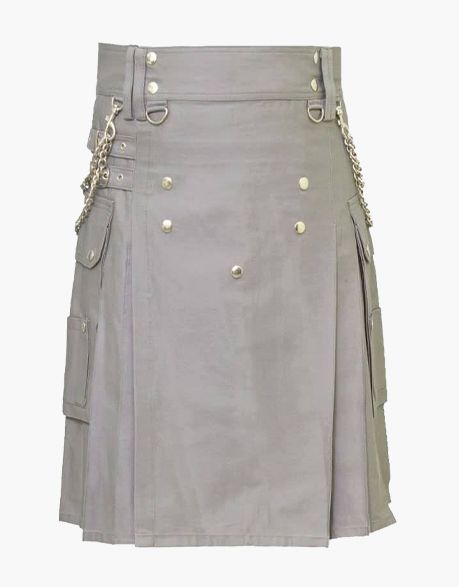
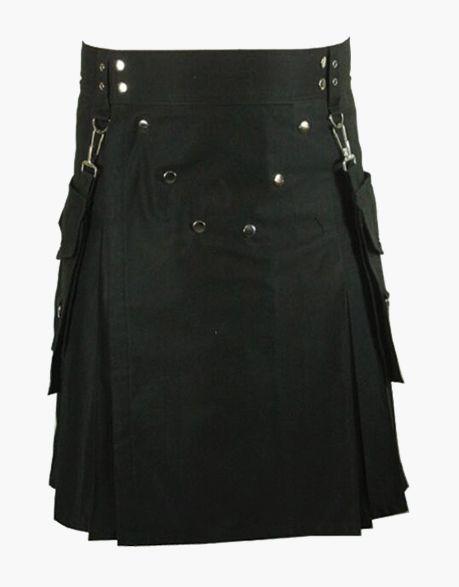
Ideal Winter Utility Kilts at Scottish Kilt Co.
Can One Utility Kilt Work for All Seasons?
Some utility kilts are designed as all-season options. These usually feature medium-weight fabric that performs reasonably well in both warm and cool weather. Adjustable features and versatile styling make them adaptable.
However, no single utility kilt works perfectly in extreme heat and harsh winter cold. People who wear utility kilts regularly often prefer owning separate summer and winter versions for maximum comfort and performance.
Common Mistakes to Avoid When Wearing Utility Kilts Seasonally
- Wearing heavy fabrics in summer is a common issue, and the thick fabrics trap heat and cause discomfort in warm weather.
- In winter people often ignore layering pieces, and it not only results in cold but also causes discomfort.
- Some are seen choosing style over comfort, even wearing utility kilts. They may be right; style matters, but comfort should always come first, especially in extreme temperatures.
- Not considering airflow in summer or warmth in winter affects overall performance.
Shoe selection is very important with utility kilts, and wearing inappropriate footwear for the season has become a common approach. In reality, heavy boots in summer or lightweight shoes in winter can ruin comfort and balance.
Buy Every Season Utility Kilts at Scottish Kilt Co.
Now that you have become familiar with summer vs. winter utility kilts and many more points about them, you are ready to buy the one. Like the selection of the right kilt for any season, opting for the right store is important as well because all stores claim to be the best. We will suggest you approach Scottish Kilt Co., as we have all types of kilts for men, women, and kids. Quality blending with affordability is our identity, and customization serves as the backbone of our services.
FAQs About Utility Kilts in Different Seasons
Are utility kilts suitable for extreme heat conditions?
As we know, the construction of utility kilts often takes place with cotton, which is a very good material for hot conditions because of its lightweight and enhanced breathability.
How does humidity affect the comfort of utility kilts?
High humidity may not be good for utility kilts, as it increases sweat buildup. However, if it is made with breathable and moisture-wicking fabric, your kilt will not cause you discomfort, and humidity will not impact its performance.
Are utility kilts wind-resistant enough for cold climates?
It depends on the quality and weight of the material; winter utility kilts are preferably made from heavier fabrics that offer good wind resistance. Therefore, the addition of layerings will make them more wind-resistant.
Is it practical to own separate utility kilts for summer and winter?
If you live in a versatile, weathered region, no idea is better than wearing separate utility kilts for summer and winter, as winter kilts are not good options for summer at all.