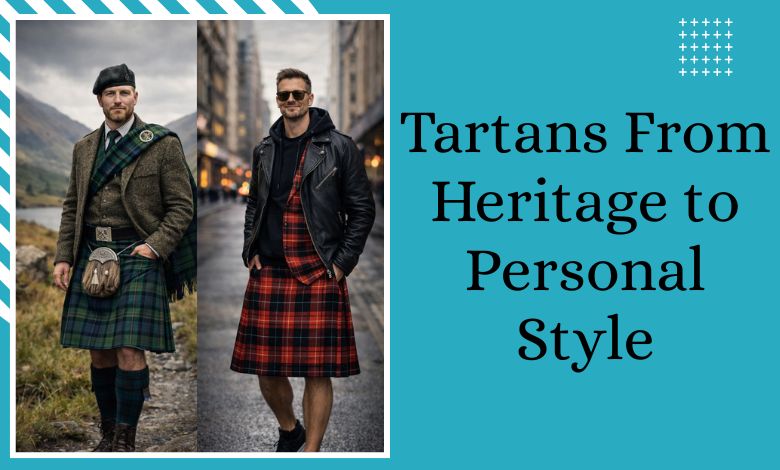
There used to be a time when wearing a tartan meant that you were representing who your family was. The pattern on your kilt or plaid wasn’t a fashion but it was a family one. The clan people belonged to had their own tartan. But somewhere along the way, that started to change. People began choosing tartans because they liked the patterns.
Even today, tartan is just as much a personal style choice as it is a heritage piece. This blog looks at how that shift happened and why tartans now carry a meaning that goes well beyond bloodlines and family crests.
Tartans Were Always About Identity
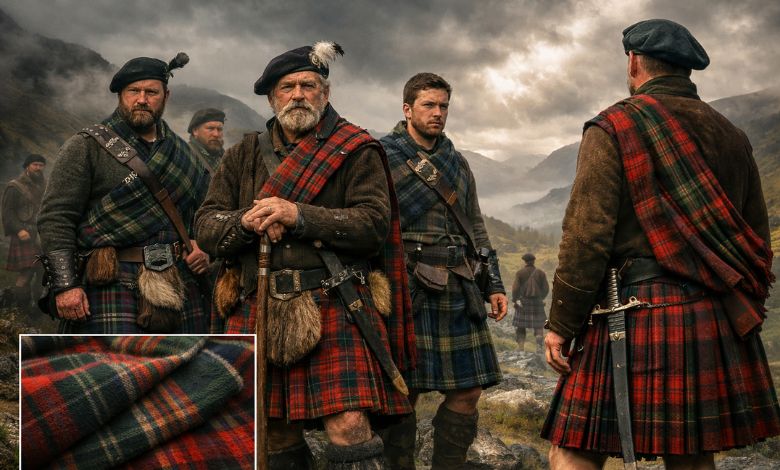
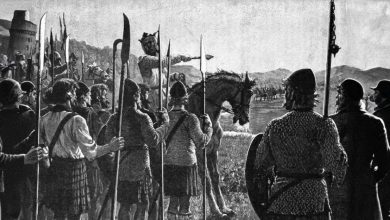
Tartans go back to centuries in Scotland and from the start they were connected to clans and regions. Each pattern belongs to a specific family or group and people used to recognise each other through those patterns. And when people used to wear someone else’s tartan it wasn’t considered as a bad look and used to be taken as real offense in many parts of highlands.
After the rise of Jacobite, the British government passed the Dress Act of 1746 which banned tartan clothing altogether. That ban actually lasted for nearly 40 years. During the time tartan turned into something people held onto quietly as a form of resistance and tartan grew as an important part of a culture.
When this was taken back, tartan didn’t just come back but it came as an identity. People of that time started wearing them with more pride than before because the fabric now carried the weight of something that was nearly away from them for many years.
When Tartan Moved Beyond Scotland
British military regiments were the one who first took the tartan outside of Scotland. Scottish soldiers used to wear their tartans as part of their uniform and that viability spread the fabric across the British Empire in a way that clan gatherings never could.
After that, Queen Victoria got involved, then she and Prince Albert decorated Balmoral Castle with tartan and after that it became fashionable among the broader British upper class. People who had no Scottish connection also started wearing it.
Meanwhile, Scottish communities that had settled in the USA, Canada and Australia held onto tartan as a way to stay connected to home. But over time, the strict clan rules came around and people who used to wear it started loosening up. Tartan was still about identity, but the definition of that identity was getting wider.
From Clan Identity to Punk Rebellion
The punk movement in the 1970s grabbed tartan and turned it into something completely different. Punks in London wore it ripped, pinned, and paired with leather jackets and combat boots. The tartan pattern had no connection to Scottish clans. The movement existed as a form of rebellion. Vivienne Westwood used that rebellious spirit to introduce tartan into high fashion and streetwear which became a standard element of her fashion lines.
Other designers began to follow her lead. Tartan appeared on fashion runways when designers combined it with denim and used it as an underlayer to create contemporary styles which had no ties to any specific family clan. The pattern became about attitude and personal expression. The Paris runway audience showed no interest in identifying the clan affiliation of the tartan designs. They liked the design and what it said about the person wearing it.
Tartans as a Personal Choice Today
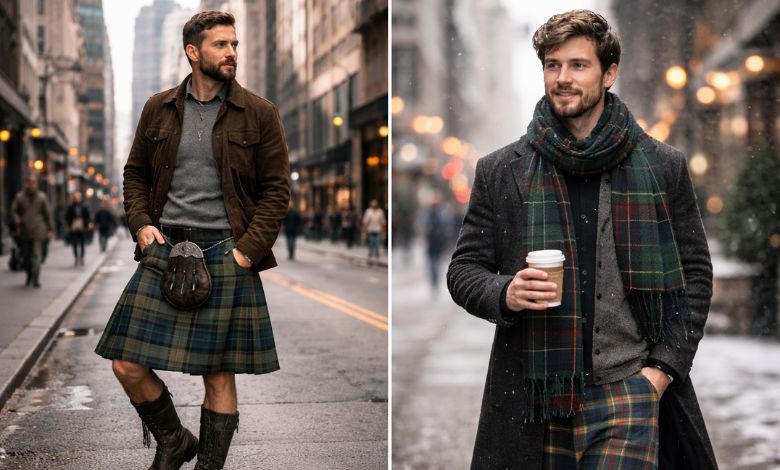
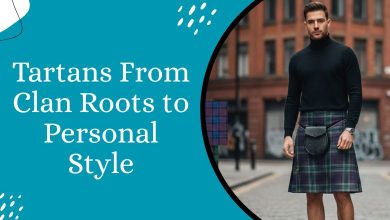
All kilt shops display their tartan collections through two main methods which include displaying tartans as a plaid fabric which is all about patterns and tartan kilts which represent clan association. People pick patterns because they like how the green sits against the navy, or because a grey tartan matches their wardrobe better than a bright red one.
Tartan has developed into a fashion for everyday use through its integration into kilts, scarves, jackets, trousers and other accessories which people wear throughout their daily activities without considering their cultural background.
A Toronto man who wears a tartan scarf during winter probably selected it because of its matching appearance with his coat. When someone buys a tartan kilt online they choose the tartan design instead of a plain utility kilt. Your clothing choices continue to communicate things about you but they now reflect your personal style instead of your family background.
How Tartans Became a Personal Statement, Not Just Family Heritage
Still, tartan hasn’t lost value. Plenty of people still wear their family tartan at weddings, Highland games and gatherings because it connects them to something real. That tradition is still alive and nobody is replacing it any time soon.
However, the only difference is tartan now doesn’t belong to just one group of people anymore. Someone can wear their clan’s patterns at a family event or wear it on a fashion show as a style. Tartan just got bigger than one use, and that’s not a bad thing.
FAQs: