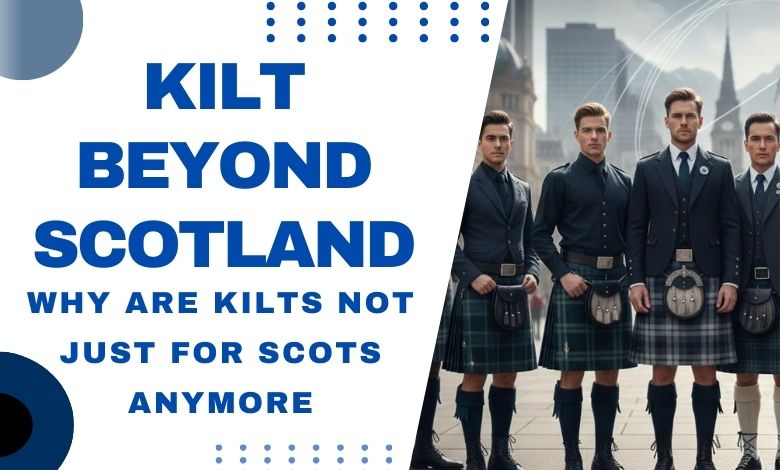
The kilt is the national dress of Scotland that they have been wearing for many centuries. They are not only worn as Scotland’s national dress but they also symbolize cultural admiration and ancestral ties. An interesting fact here to discuss is that kilts are not just for Scots anymore. It may surprise some that Scotland’s national dress is now worn worldwide, but it is true. This article explains this point briefly.
Emergence of Kilts Beyond Scotland
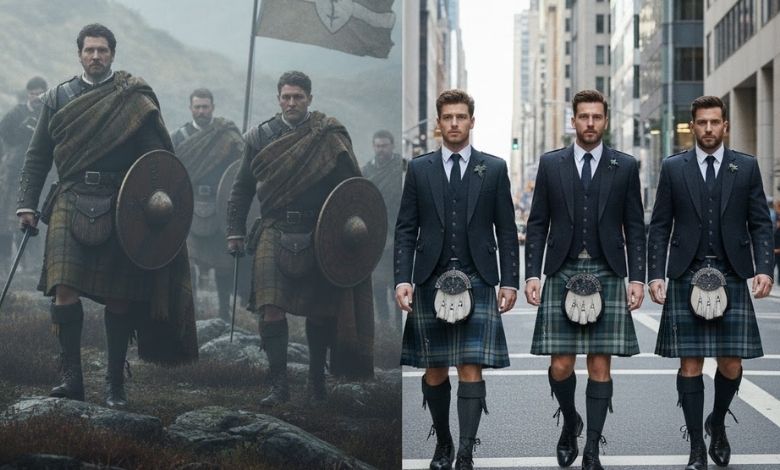
Before discussing kilts beyond Scotland, it’s useful to look at the factors that popularized them internationally. The written history of wearing kilts dates back to the 16th century, when people wore the Great Kilt (a long piece of tartan fabric) that transformed into the modern kilt.
A violent conflict that ultimately strengthened Scottish cultural identity, the Jacobite Rebellion, occurred in the 18th century. The impact of this event went beyond clothing, influencing many aspects of Scottish culture. Wearing kilts was declared as an illegal action for 40 years. After the ban was lifted, tartan kilts witnessed a revolution, and that was the time when kilts transcended the boundaries of Scotland.
Why Kilts are not just for Scots anymore
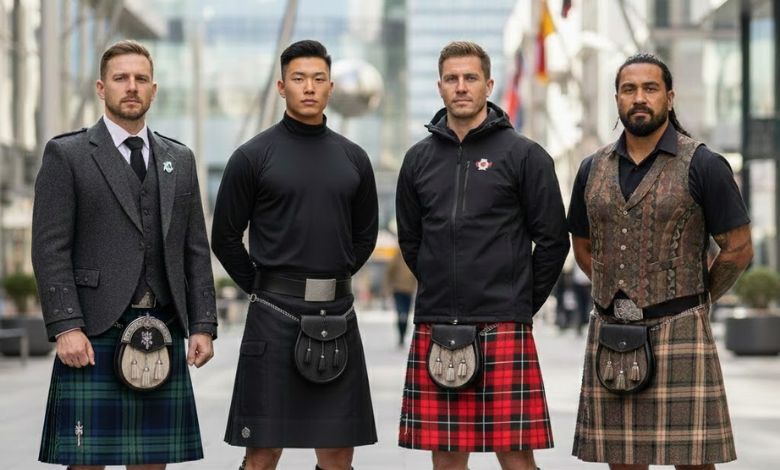
Many countries where Scots moved after the Highland Clearances and the Jacobite Rebellion started wearing kilts to prove their solidarity. Over time, the fashion industry approached the kilt, and men’s kilts transformed into many modern variants in this modern world.
The Globalization of the Kilt
Talking about the globalization of the kilt, a large number of Scots moved to countries including New Zealand, Canada, and the USA. They promoted kilt-wearing there, and even the Scottish regiments in the British military also popularized the kilt. The globalization of kilts can also be seen in countries with Scottish communities, where kilts became a symbol of heritage and pride.
Fashion Industry Adoption
The fashion industry constantly seeks innovation and creativity. The unique design of kilts became the center of attention in fashion, and people around the globe began wearing kilts. On the contrary, Scots admire those who wear their traditional dress respectfully, and that’s how the fashion industry made non-Scots wear kilts.
Pop Culture and Media
Pop culture and media have also played a key role in popularizing kilts beyond Scotland. They romanticized Scottish history and visually promoted the kilt as a symbol of culture. Some popular movies, including Braveheart, Rob Roy, and Outlander, inspired others and sparked curiosity about Scottish dresses. As an output, even non-Scots wear kilts, copying their media heroes.
New Cultural Meanings
We mentioned the surpassing of Scottish culture in this discussion. It was a time when wearing kilts was declared as a sign of rebellion. After the ban was lifted, people in Scotland and even in other countries considered it as a symbol of freedom. Everyone knows about the Highland games, where a large population of non-Scots participate in different statuses, but they wear kilts to prove that Scottish dress is not limited to Scotland anymore.
Modern Innovation of Kilts
For centuries, Scottish kilts were exclusively tartan, but modern innovations have introduced new styles and patterns. In the same manner, Scots used to wear their clan tartan, and now many universal patterns are worn. The innovation in tartans and even the designs of kilts proves them to be versatile and a modern choice for several settings.
Cultural Appreciation vs. Appropriation
Wearing kilts respectfully demonstrates cultural appreciation, not appropriation. Dressing up in kilts means showing sincerity with a tradition. Above all, donning kilts respectfully describes it. But those who do not have Scottish ancestry also wear kilts with protocols, which means they highly appreciate it as respectful attire.
The Future of Scottish Kilts
When it comes to the future of Scottish kilts, we notice it to be more promising. Many factors, including their wide adaptability, the interest of people in Scottish culture, and most importantly, the role of fashion designers (Scots and even non-Scots), sound very prominent. Moreover, the resurgence of their popularity and their becoming a part of every fashion wardrobe clarifies that importance and signifies their appearance is going to shine more.
Where to Buy Authentic Scottish Kilts
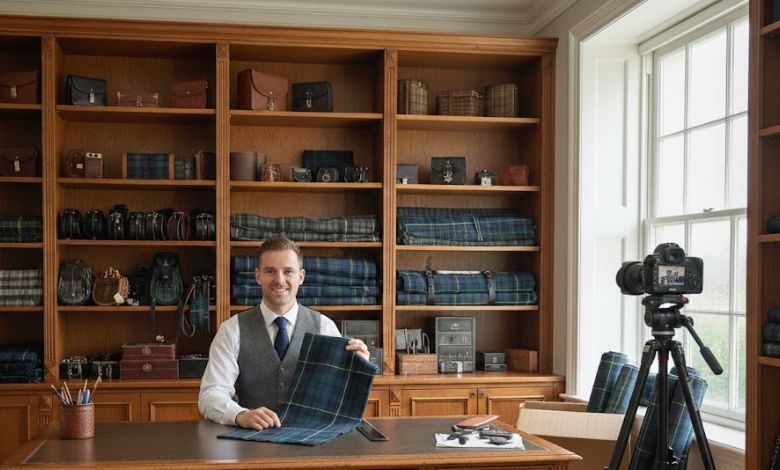
Our discussion clarified why kilts are for everyone and not just for Scots anymore. Moreover, it also mentioned the availability of different types of kilts available today, which are more versatile. Have you thought about where to go if a traditional or modern kilt is the requirement?
Many online and physical stores offer their services today, but we suggest visiting Scottish Kilt Co. We are an online store providing authentic, high-quality kilts at affordable prices. We ship authentic kilts worldwide, so anyone can experience this iconic attire. So, explore our online store today and wear a kilt, regardless of your nationality.
FAQs About Scottish Kilts